Mammas, don’t let your babies grow up to be assholes!
“Meanness may be having a moment, but kindness never goes out of style.” – Ask The Nice Girl
I can remember—not that long ago—when bullies were widely disdained.
In almost every coming-of-age movie (The Karate Kid, The Sandlot, The Toy Story, Cyberbully), there's a bully character whom no one likes and everyone fears. They behave so badly that eventually the people they target decide they've had enough and stand up to them.
Usually, the bully ends up being shunned until they learn their lesson, apologize, and earn their way back into the group. Redemption. Those stories reflected the way life used to be.
Bullies rarely stand alone. They often attract insecure followers—people who stay quiet because they're afraid to challenge them. Instead of saying, "You're out of line," they go along to avoid becoming the next target.
Somewhere along the way, though, something changed.
Over the past decade, mean-spirited behavior—what I'm unapologetically calling assholery—has become increasingly commonplace, especially in our politics and online culture.
For purposes of this post, I'm defining assholery as behavior that ranges from everyday selfishness—the guy who steals the parking space you've been patiently waiting for—to the full-blown gaslighting narcissist who thrives on manipulation, cruelty, and making everyone else feel small.
We've watched elected officials, celebrities, influencers, and media personalities publicly bully, ridicule, harass, scapegoat, and spread falsehoods about others. And far too often, instead of being condemned, they're rewarded with attention, ratings, followers, or applause.
We all see it.
We all feel it.
And the research supports it.
A Pew Research Center study conducted in 2022 found that 69% of Americans believe people are less civil today than they were just ten years ago. Reports of online harassment, road rage, and workplace bullying have also increased in recent years.
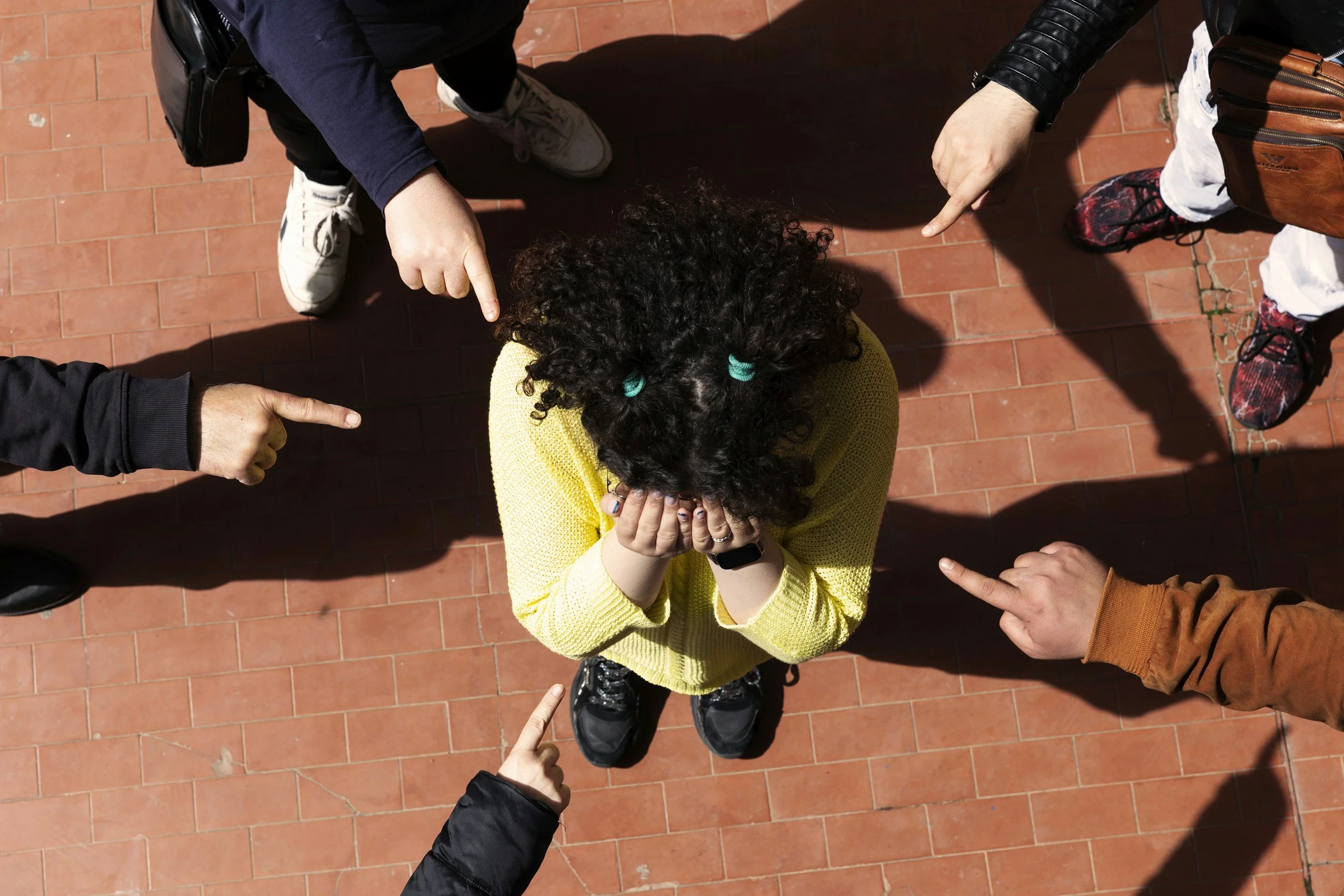
Although we often think of bullying as something that happens in middle school hallways, it's a problem that affects people of every age—in schools, workplaces, neighborhoods, families, and across social media.
Sadly, cruelty has become so normalized that, in some circles, it's mistaken for confidence, toughness, or power.
It most definitely is not.
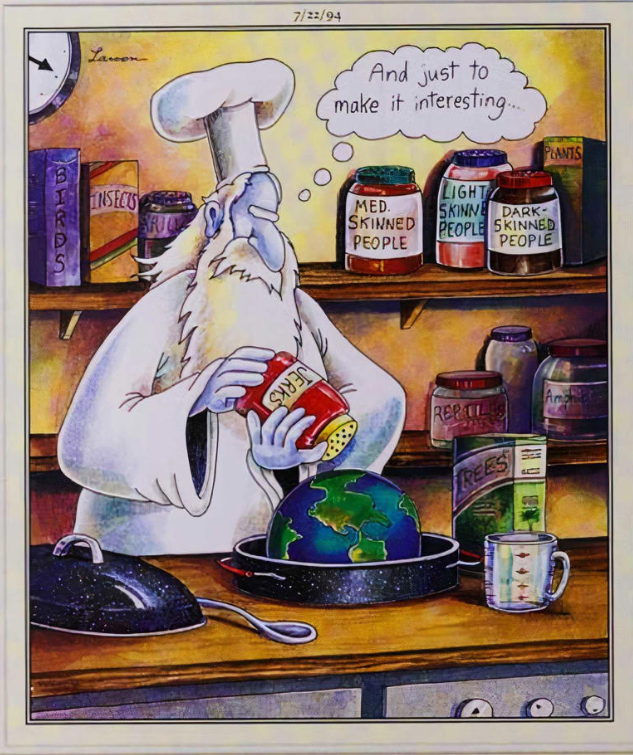
You have an asshole problem if you are dealing with somebody who leaves you feeling demeaned, de-energized, disrespected…somebody who makes you feel like dirt.” - Robert Sutton
How Did We Get Here?
You'd think we'd be hearing a lot more outrage over the amount of nastiness we've come to accept as normal. Before we become completely desensitized to it, though, it's worth asking how we got here.
The answer isn't simple, but several factors seem to be fueling this culture of meanness.
Fear. When people feel threatened, uncertain, or insecure, they're more likely to lash out in anger or hostility.
Social media. Outrage generates clicks, and clicks feed algorithms. The louder and crueler the interaction, the more attention it often receives, creating echo chambers that reward the worst behavior.
Unresolved emotional pain. More people are struggling with anxiety, depression, loneliness, and low self-esteem. Research suggests that people who experienced abuse, neglect, or significant childhood adversity may be more likely to respond aggressively as adults if those wounds remain unhealed.
Polarization. Increasing political and social division has made it easier to see people with different viewpoints as enemies instead of fellow human beings.
Stress and exhaustion. Chronic stress leaves many people short-tempered, impatient, and reactive.
Isolation. The lingering effects of the pandemic also disrupted relationships and social skills in ways we're still trying to understand.
So...I guess there's really no mystery here after all.
Why It Matters
All of this assholery comes at a cost.
Cruelty creates fear, anxiety, depression, and self-doubt. It chips away at confidence and makes the world feel less safe and less connected.
In the workplace, toxic behavior destroys morale, erodes trust, and hurts productivity. It's also one of the biggest reasons people leave otherwise good jobs.
And here's the truth: kindness isn't weakness. It never has been.
It takes far more strength to stay calm, extend grace, tell the truth, and treat people with dignity than it does to mock, intimidate, or humiliate someone.
Anyone can be cruel.
Character is choosing not to be.
Can We Change Course?
Absolutely.
Let's stop normalizing assholery—and normalize kindness instead.
I remember a meme that simply said:
"Stop normalizing assholery."
Straightforward. Powerful.
So how do we actually do that?
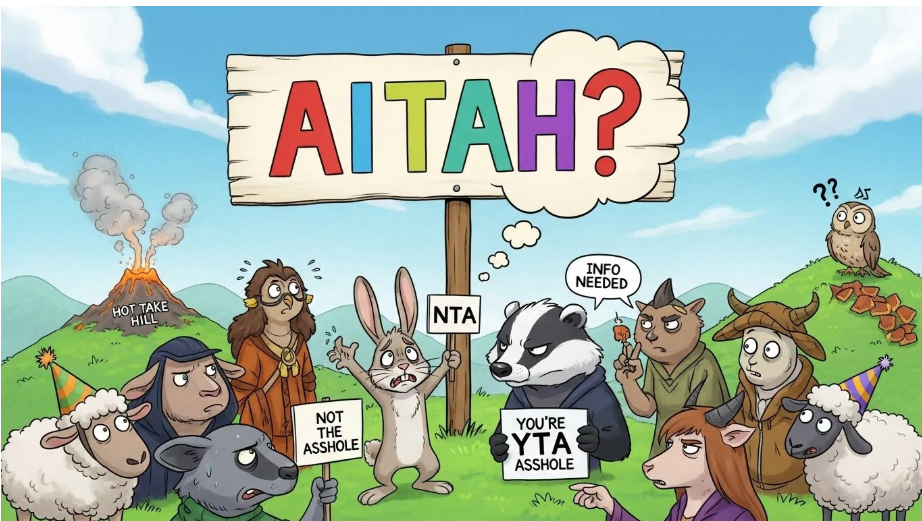
Before you diagnose yourself with depression or low self-esteem, first make sure that you are not, in fact, just surrounded by a-holes. – William Gibson
Seven Ways to Stop Normalizing Assholery
1. Call it out.
When you witness bullying or unnecessary rudeness, say something. It doesn't have to be confrontational. A simple, "Hey, let's try to keep this respectful," can sometimes interrupt the moment. Better yet, leave with the person being targeted. Bystander intervention has been shown to make a real difference.
2. Remember: It's not you. It's them.
People who bully others are often acting from insecurity, anger, fear, or unresolved pain. Whatever the cause, don't let their behavior become your opinion of yourself. Their cruelty says far more about them than it does about you.
3. Practice everyday kindness—including toward yourself.
Kindness doesn't have to be grand. Hold the door for someone. Smile at the stranger in the grocery store. Ask your server how their day is going.
You never know what someone else is carrying.
My dad used to say that whenever he met a rude person, he simply assumed they must have a toothache. What a gracious way to move through the world.
4. Curate your digital world.
If your social media feeds are filled with outrage and negativity, change the channel. Follow people who educate, inspire, encourage, or simply make you laugh. Your mental health will thank you.
5. Make empathy your superpower.
Try to see the human being beneath the behavior. Empathy doesn't excuse cruelty, but it can keep someone else's bitterness from becoming your own.
6. Take the high road.
Bullies thrive on reactions. Sometimes the strongest response is refusing to provide one. Smile, walk away, and deny them the satisfaction of pulling you into their drama.
7. Fight snark with humor.
Laughter is one of the best antidotes to cynicism. If the world's meanness starts wearing you down, seek out people who remind you how to laugh. Fortunately, plenty of comedians have built entire careers around skewering the pompous and the cruel.
Safety in Numbers
So yes, there is hope.
I truly believe there are more kind people than cruel ones.
And if enough of us choose kindness, courage, empathy, and decency—even in small, everyday ways—we can outnumber and outmaneuver the assholes.
It reminds me of Toy Story, when Woody and Buzz Lightyear team up with the misfit toys to stand up to Sid, the neighborhood tormentor. Working together, they finally stop the bully.
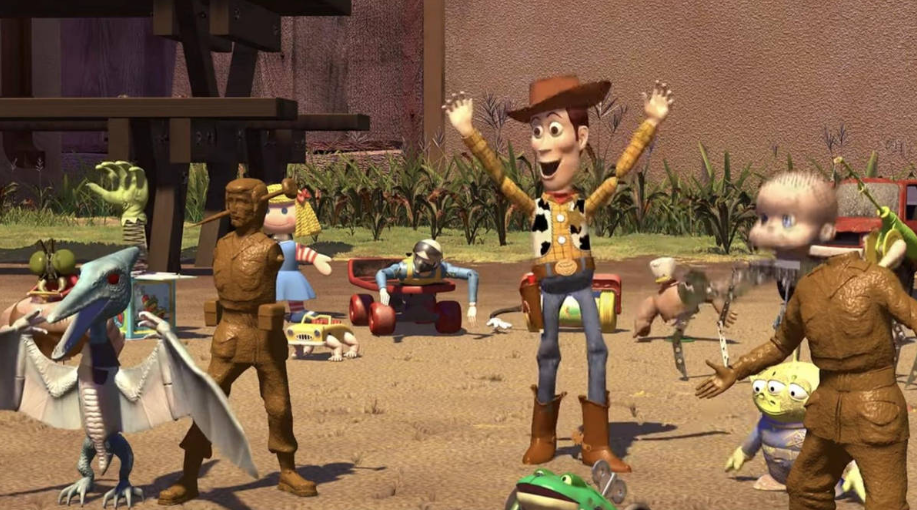
“Assholes will teach you who NOT to be.” – Unknown
There's a lesson in that.
Bullies count on everyone else staying silent.
Kind people don't have to.
Raise Nice Humans
Finally, as the title of this post implores parents everywhere: don't let your babies grow up to be assholes.
(With apologies to Waylon Jennings and his classic "Mammas Don't Let Your Babies Grow Up to Be Cowboys.")
Many of our lifelong habits begin in childhood. If we teach our children kindness, empathy, respect, accountability, and compassion, they'll carry those values into every classroom, workplace, neighborhood, and relationship they enter.
And maybe—just maybe—they'll help create a world where kindness is admired more than cruelty, character matters more than swagger, and being a decent human being is once again something we all aspire to.
Now that's something worth normalizing.
###
With love and laughter,
Annie @The Positive People Project. 🌞
Please don’t forget to opt-in for positivity and be sure to check your spam and/or promotions (gmail) folders! 👍
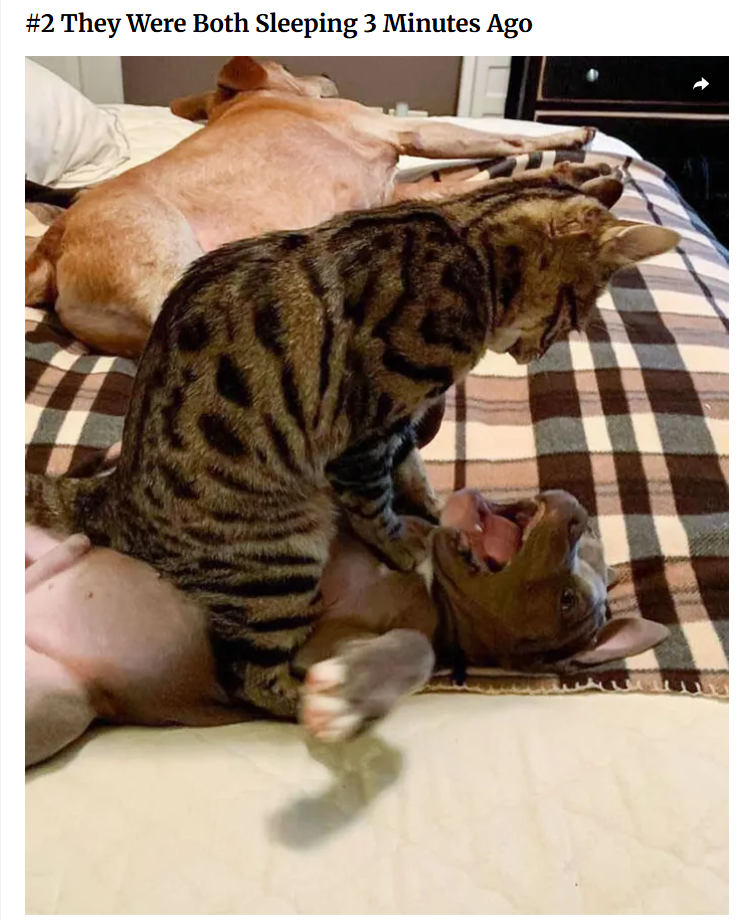
And last but not least, I always like to leave you with a smile and a laugh. Even our pets can be assholes sometimes! 😂